Comprehensive Guide to Waste Disposal in South London
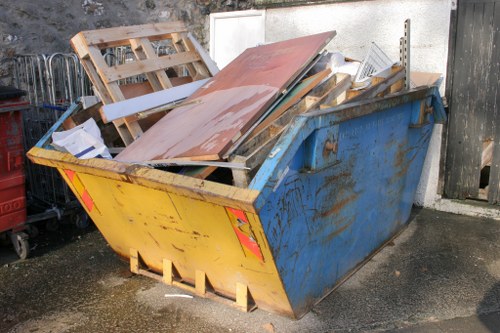
A large, rectangular skip bin with a yellow base and blue sides, positioned on an outdoor concrete surface near a white wall and wooden fencing. The bin is filled with a mixture of discarded construction and renovation waste, including wooden pallets, a rusted metal sheet, broken wooden planks, and various pieces of debris. The wooden pallets are leaning against the sides of the bin, with some planks extending over the top edge. The rusted metal sheet is prominently partially covering other materials inside the bin. The surrounding area appears to be part of a construction or renovation site, with the weathered condition of the bin indicating ongoing waste collection. This scene exemplifies proper waste disposal practices often managed by companies like Builders Waste South London, serving the South London area including postcode regions connected to the domain's focus.

Introduction to Waste Disposal

Waste disposal is a critical issue in urban areas, and South London is no exception. With a growing population and increasing consumerism, the management of waste has become more challenging. Effective waste disposal not only helps in maintaining the cleanliness of the environment but also plays a significant role in public health and sustainability.

South London, comprising diverse boroughs such as Lambeth, Southwark, and Wandsworth, faces unique waste management challenges. The area's mix of residential, commercial, and industrial zones requires a multifaceted approach to waste disposal.

Understanding the waste disposal system in South London is essential for residents, businesses, and local authorities to collaborate effectively and ensure a cleaner, healthier environment for all.
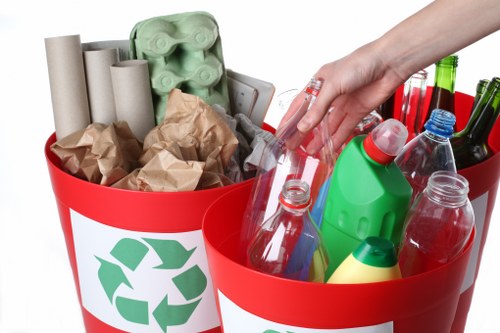
Recycling center in South London

Types of Waste Generated

Household Waste

Household waste constitutes a significant portion of the total waste generated in South London. This includes everyday items such as food scraps, packaging materials, paper, plastics, and textiles. Proper segregation and disposal of household waste are crucial to minimize environmental impact.

Commercial and Industrial Waste

Commercial establishments and industries contribute to a different category of waste, including office waste, construction debris, and hazardous materials. Managing this type of waste requires specialized handling and disposal methods to prevent contamination and ensure safety.

Recyclable and Non-Recyclable Waste

Recyclable waste like paper, glass, metals, and certain plastics can be processed and reused, reducing the need for raw materials. Non-recyclable waste, on the other hand, poses a greater challenge and often ends up in landfills or requires incineration.
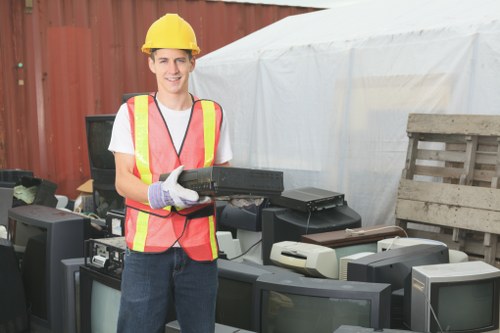
A young male worker wearing a yellow safety helmet, a high-visibility vest with pink reflective strips, and purple gloves, standing outdoors in front of a collection of discarded electronic appliances such as old monitors, televisions, and printers. The background features a wooden fence and a white canopy or greenhouse structure, with some gardening or building materials visible on the right side. The worker is smiling and holding a black electronic device, suggesting a professional approach to rubbish removal or electronic waste disposal. The scene reflects a waste management context typical of rubbish clearance services provided by Builders Waste South London, operating within South London postcode areas. The environment appears to be a dedicated disposal or sorting area, with the electronic waste piled neatly but visibly used and discarded. Natural daylight illuminates the scene, emphasizing the textures of the electronic devices' plastic and metal components, and the worker’s safety gear. The setting portrays a typical waste disposal or clearance activity aligned with effective waste management strategies in the region.

Waste Disposal Facilities in South London

Local Recycling Centers

South London is equipped with several recycling centers that accept a variety of materials. These centers play a pivotal role in diverting waste from landfills and promoting recycling initiatives among residents and businesses.

Landfills and Incineration Plants

Despite the push towards recycling, landfills and incineration plants remain integral to waste disposal in South London. These facilities manage non-recyclable waste and convert certain types of waste into energy through incineration.

Hazardous Waste Management

Handling hazardous waste requires stringent protocols to prevent environmental contamination and ensure public safety. South London has designated facilities for the safe disposal of hazardous materials, including chemicals, electronics, and medical waste.
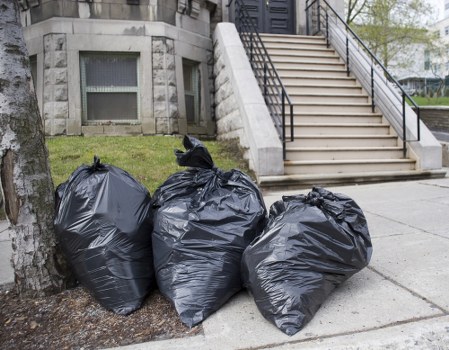
Three large black rubbish bags made of durable plastic are positioned on a concrete pavement near the base of a tree with textured bark. The bags are gathered and tied at the top, partially leaning against each other, and contain waste materials likely from construction or renovation activities. In the background, there are metal stairs with a black handrail leading up to an entrance of a building, with a short white wall supporting the staircase. The building features stone or concrete blocks with small, rectangular windows. The surrounding environment appears to be an urban setting in South London, with a small patch of grass beside the tree and typical city street elements nearby. The scene is well-lit, demonstrating natural daylight, and visually relates to waste management and rubbish removal services provided by Builders Waste South London in the area, including postal codes like SE or SW, within the context of effective waste disposal on residential or commercial premises.

Recycling Programs and Initiatives

Community Recycling Schemes

Local communities in South London actively participate in recycling schemes that encourage the separation and proper disposal of recyclable materials. These programs often include educational campaigns and convenient collection services to boost participation.

Government Policies and Regulations

The South London authorities have implemented various policies and regulations to enhance waste management practices. These include incentives for recycling, penalties for improper disposal, and support for sustainable waste management projects.

Innovative Recycling Technologies

Advancements in recycling technologies have improved the efficiency and effectiveness of waste processing. South London is embracing these innovations to increase recycling rates and reduce the environmental footprint of waste disposal.
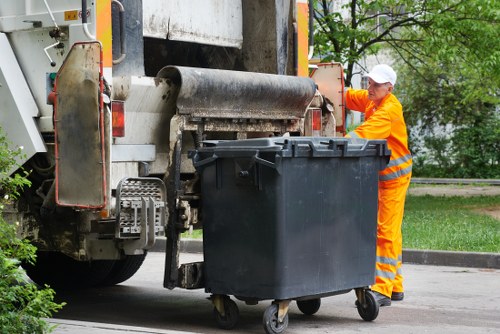
A waste collection worker dressed in bright orange high-visibility clothing and a white cap is positioned next to a large black plastic rubbish bin with wheels, which is placed at the rear of a refuse collection vehicle. The vehicle is predominantly grey with yellow reflective safety markings on the side, and its mechanical lifting and compaction mechanisms are visible. The scene is set outdoors on a paved area alongside a suburban street, with green trees and grass in the background, suggesting a typical residential environment in South London. The worker appears to be preparing to operate the bin or empty it into the truck, highlighting routine rubbish collection activities carried out by Builders Waste South London. Natural daylight illuminates the scene, emphasizing the textures of the bin and the weathered surface of the refuse vehicle, supporting the context of efficient waste management services within the local area.

Challenges in Waste Disposal

Population Growth

The increasing population in South London amplifies the volume of waste generated, putting pressure on existing waste disposal infrastructure. Addressing this requires scalable and adaptable waste management solutions.

Illegal Dumping

Illegal dumping remains a persistent issue, leading to environmental degradation and public health hazards. Combating this requires stricter enforcement of regulations and community engagement.

Recycling Contamination

Contamination of recyclable materials undermines recycling efforts, making it imperative to educate the public on proper waste segregation and disposal practices.

Solutions to Overcome Challenges

  • Enhancing public education on waste segregation.
  • Investing in advanced waste management technologies.
  • Strengthening regulations and enforcement against illegal dumping.
  • Promoting sustainable consumption and reducing waste generation.
A large, rectangular skip bin with a yellow base and blue sides, positioned on an outdoor concrete surface near a white wall and wooden fencing. The bin is filled with a mixture of discarded construction and renovation waste, including wooden pallets, a rusted metal sheet, broken wooden planks, and various pieces of debris. The wooden pallets are leaning against the sides of the bin, with some planks extending over the top edge. The rusted metal sheet is prominently partially covering other materials inside the bin. The surrounding area appears to be part of a construction or renovation site, with the weathered condition of the bin indicating ongoing waste collection. This scene exemplifies proper waste disposal practices often managed by companies like Builders Waste South London, serving the South London area including postcode regions connected to the domain's focus.

Future of Waste Disposal in South London

Sustainable Practices

The future of waste disposal in South London lies in adopting sustainable practices that minimize waste generation and maximize recycling and reuse. Emphasizing a circular economy approach can significantly reduce the environmental impact.

Technological Innovations

Integrating cutting-edge technologies such as smart waste bins, automated sorting systems, and waste-to-energy solutions can enhance the efficiency of waste management processes in South London.

Community Engagement

Active participation from the community is essential for the success of waste disposal initiatives. Encouraging residents to take responsibility for their waste through education and incentives can drive positive change.

Government and Private Sector Collaboration

  1. Developing joint waste management projects.
  2. Investing in research and development of sustainable solutions.
  3. Creating public-private partnerships to fund and implement waste disposal initiatives.
  4. Sharing best practices and resources to optimize waste management efforts.
Recycling center in South London

How to Dispose of Waste Properly

Segregating Waste at Source

Proper waste disposal begins with segregating waste at the source. Separating recyclables, organic waste, and non-recyclables helps streamline the waste management process and enhances recycling efficiency.

Using Designated Disposal Facilities

Utilizing designated waste disposal facilities ensures that waste is handled appropriately. South London provides various options for disposing of different types of waste, including bulky items and hazardous materials.

Participating in Community Collection Programs

Community collection programs offer convenient ways for residents to dispose of their waste responsibly. Participating in these programs reduces the burden on landfills and supports local recycling efforts.

Tips for Effective Waste Management

  • Reduce waste by opting for reusable products.
  • Reuse items wherever possible to extend their lifespan.
  • Recycle materials like paper, glass, and metals properly.
  • Compost organic waste to create nutrient-rich soil for gardening.
A young male worker wearing a yellow safety helmet, a high-visibility vest with pink reflective strips, and purple gloves, standing outdoors in front of a collection of discarded electronic appliances such as old monitors, televisions, and printers. The background features a wooden fence and a white canopy or greenhouse structure, with some gardening or building materials visible on the right side. The worker is smiling and holding a black electronic device, suggesting a professional approach to rubbish removal or electronic waste disposal. The scene reflects a waste management context typical of rubbish clearance services provided by Builders Waste South London, operating within South London postcode areas. The environment appears to be a dedicated disposal or sorting area, with the electronic waste piled neatly but visibly used and discarded. Natural daylight illuminates the scene, emphasizing the textures of the electronic devices' plastic and metal components, and the worker’s safety gear. The setting portrays a typical waste disposal or clearance activity aligned with effective waste management strategies in the region.

Benefits of Proper Waste Disposal

Environmental Protection

Proper waste disposal prevents pollution of air, water, and soil, safeguarding ecosystems and wildlife. It also reduces greenhouse gas emissions, contributing to climate change mitigation.

Public Health

Effective waste management reduces the spread of diseases by eliminating breeding grounds for pests and controlling the spread of pathogens. It ensures cleaner living environments for communities.

Economic Advantages

Proper waste disposal can generate economic benefits through job creation in the recycling and waste management sectors. It also reduces the costs associated with environmental cleanup and health care.

Social Benefits

  • Promotes a sense of community responsibility.
  • Enhances the quality of life by maintaining clean neighborhoods.
  • Supports sustainable development goals.
  • Encourages innovation in waste management solutions.
Three large black rubbish bags made of durable plastic are positioned on a concrete pavement near the base of a tree with textured bark. The bags are gathered and tied at the top, partially leaning against each other, and contain waste materials likely from construction or renovation activities. In the background, there are metal stairs with a black handrail leading up to an entrance of a building, with a short white wall supporting the staircase. The building features stone or concrete blocks with small, rectangular windows. The surrounding environment appears to be an urban setting in South London, with a small patch of grass beside the tree and typical city street elements nearby. The scene is well-lit, demonstrating natural daylight, and visually relates to waste management and rubbish removal services provided by Builders Waste South London in the area, including postal codes like SE or SW, within the context of effective waste disposal on residential or commercial premises.

Conclusion

Waste disposal in South London is a multifaceted issue that requires the cooperation of residents, businesses, and local authorities. By implementing effective waste management strategies, embracing sustainability, and promoting community engagement, South London can overcome its waste disposal challenges and pave the way for a cleaner, healthier future.

Everyone has a role to play in ensuring that waste is managed responsibly. Whether it's segregating waste at home, participating in recycling programs, or supporting local waste management initiatives, individual actions collectively contribute to significant environmental and societal benefits.

Take action today to contribute to a sustainable South London. Contact us today to learn more about effective waste disposal solutions and how you can make a difference.

Frequently Asked Questions

We utilize state-of-the-art machinery and eco-friendly methods to ensure efficient and safe waste disposal. Our equipment is regularly maintained and updated to handle various types of waste responsibly. Contact our team for a quick quote and experience top-notch service.

Yes, we are proudly accredited by leading industry bodies such as the Environmental Protection Agency (EPA) and the Waste Management Association (WMA). These accreditations reflect our commitment to maintaining high standards in waste disposal. Reach out to us to learn more.

We hold all necessary certifications and comprehensive insurance to meet and exceed legal requirements for waste disposal. Our team stays updated on regulations to ensure full compliance at all times. Contact us today for reliable and legally compliant waste management solutions.

We achieve a recycling rate of over 85%, demonstrating our strong commitment to environmental sustainability. By prioritizing recycling and reducing landfill waste, we help protect the environment. Get in touch with us to support responsible waste disposal practices.

With over 20 years of experience, we have built a trusted reputation in the waste disposal industry. Our proven track record ensures reliable and efficient services tailored to your needs. Contact our team to benefit from our extensive expertise.

Absolutely. We prioritize safety in all our operations while offering competitive pricing to suit various budgets. Our affordable solutions ensure that you receive top-quality service without compromising safety. Reach out to us for a personalized quote.

Yes, we believe in complete transparency. Our pricing is straightforward with no hidden fees, ensuring you know exactly what to expect. We offer detailed quotes tailored to your specific requirements. Contact us for clear and honest pricing information.

Yes, ethical practices are at the core of our operations. We adhere to strict guidelines to ensure waste is handled responsibly, minimizing environmental impact. Our commitment to ethics ensures peace of mind for our customers. Get in touch to learn more.

We offer competitive rates for waste disposal services across various locations. By choosing us, you benefit from affordable and reliable solutions tailored to your area. Contact our team to find the best waste disposal options near you.

Our professionals are fully licensed and certified to handle all types of waste. This ensures that our services meet regulatory standards and are performed safely and efficiently. Trust our licensed experts for all your waste disposal needs. Reach out today.

We follow stringent protocols for hazardous waste management, including proper containment, transportation, and disposal methods. Our trained team ensures that all hazardous materials are handled safely to protect both people and the environment. Contact us for secure waste disposal.

Our dedication to quality, transparency, and customer satisfaction sets us apart. With decades of experience, numerous accreditations, and a commitment to ethical practices, we have earned the trust of our clients. Choose us for reliable and trustworthy waste disposal solutions.
Builders Waste South London

A comprehensive guide on waste disposal in South London, covering types of waste, facilities, recycling initiatives, challenges, and future sustainable practices.

Book Your Service Now

Get In Touch With Us.

Please fill out the form below to send us an email and we will get back to you as soon as possible.